Thursday 14 May 2026
Rail timetable changes this Sunday deliver more seats, new overnight links and the return of a classic service
- Region & Route:
- National
- 42,000 extra seats per week on London Northwestern Railway services, including more than 14,000 between Birmingham New Street and London Euston, boosting capacity on one of the country’s busiest corridors.
- The return of the ‘Flying Scotsman’ as LNER restores London to Edinburgh departure times that closely reflect the historic mid‑morning timetable of the iconic service.
- New ‘through the night’ services to Manchester Airport by TransPennine Express, providing hourly overnight trains to support early‑morning and late‑night flights.
Rail passengers across the country will benefit from increased capacity, improved connectivity and targeted service enhancements when the national rail timetable changes on Sunday (17 May).
The changes form part of the regular twice‑yearly timetable update and apply to the eight train operators in public ownership: c2c, Greater Anglia, LNER, Northern, Southeastern, South Western Railway, TransPennine Express and WM Trains (who operate London Northern Western and West Midlands Railway services).
While most services will see only minor adjustments to their scheduling, behind the scenes there has been a co-ordinated approach by the eight publicly owned train operators to deliver tangible improvements for passengers - adding seats where demand is strongest, improving reliability, strengthening connectivity and supporting early‑morning and late‑night travel.
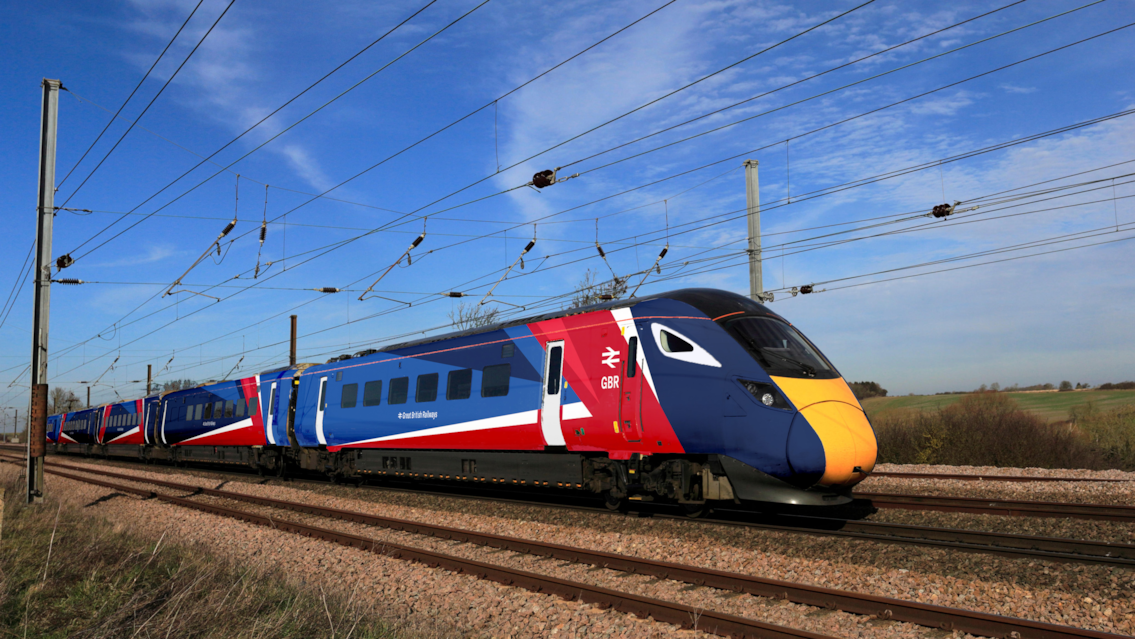
These improvements reflect an important step on the journey towards Great British Railways (GBR) as operators build a simpler, more integrated railway, owned by the public and run in the interests of passengers, communities and the wider economy.
Couple with these changes, other publicly owned train operators are tweaking their timetables to better serve their customers, with improvements including:
- c2c is making small weekday re-timings on commuter services to and from London Fenchurch Street, with no changes to Saturday services and a single minor change on Sundays.
- Greater Anglia is delivering more frequent services, earlier first trains and later last departures. Key improvements benefit Stowmarket and routes across East Anglia, including Norwich–Cambridge, Ipswich–Cambridge, Norwich–Lowestoft, Norwich–Great Yarmouth and Norwich–Sheringham. The changes reflect growing passenger demand and long‑standing feedback from customers, local authorities and community rail partners, while making better use of modern rolling stock and capacity.
- Northern will introduce targeted changes to improve punctuality and reflect customer feedback. These include more direct Sunday services between Newcastle and Whitby, improved stopping patterns on Sheffield–Lincoln services, and minor changes across the North West designed to improve performance and resilience.
- Southeastern passengers in south‑east London, Kent and East Sussex will benefit from more frequent services, improved connections and extra capacity. The restoration of peak‑time services to London Blackfriars via the Medway towns, additional weekday trains between Charing Cross and Maidstone East, and enhanced High Speed services between Canterbury West and St Pancras will provide more choice and a more consistent timetable.
- And South Western Railway customers travelling between London Waterloo and Reading will see minor changes to services. Trains will depart slightly earlier from Waterloo, make additional stops at Vauxhall, and arrive marginally later into London. A small number of late‑evening and suburban services are extended or re-timed to improve consistency and connectivity.
The rail minister, Lord Hendy, said: “Our mission for Great British Railways is to put passengers first, and as we move towards GBR this change is yet another way we’re working to make journeys better.
“The extra capacity and services will not only improve travel for people, but help to boost the local economy and jobs, as at Manchester airport. I’m especially excited to see the iconic Flying Scotsman named services back – a great example of how GBR is bringing our proud rail heritage into the 21st century.”
The next train operator to move into public ownership is Govia Thameslink Railway (GTR) on Sunday 31 May 2026.
ENDS
For more information, please contact: Trevor Evers, DFTO - 07494 226273.
Contact information
Passengers / community members
Network Rail national helpline
03457 11 41 41
Latest travel advice
Please visit National Rail Enquiries
Journalists
Network Rail press office - National
Network Rail
020 3356 8700
mediarelations@networkrail.co.uk
About Network Rail
We own, operate and develop Britain's railway infrastructure; that's 20,000 miles of track, 30,000 bridges, tunnels and viaducts and the thousands of signals, level crossings and stations. We run 20 of the UK's largest stations while all the others, over 2,500, are run by the country's train operating companies.
Usually, there are almost five million journeys made in the UK and over 600 freight trains run on the network. People depend on Britain's railway for their daily commute, to visit friends and loved ones and to get them home safe every day. Our role is to deliver a safe and reliable railway, so we carefully manage and deliver thousands of projects every year that form part of the multi-billion pound Railway Upgrade Plan, to grow and expand the nation's railway network to respond to the tremendous growth and demand the railway has experienced - a doubling of passenger journeys over the past 20 years.
Follow us on Twitter: @networkrail
Visit our online newsroom: www.networkrailmediacentre.co.uk