Tuesday 24 Nov 2026
No Second Chances: Young people urged to stay safe at East Coast level crossings amid rise in incidents
- Region & Route:
- Eastern
- | Eastern: East Coast
Network Rail is taking rail industry campaign No Second Chances into schools on the East Coast route as it urges young people to understand the potentially devastating consequences of taking risks at level crossings.
The newest phase of the campaign – launched today (Monday 23 November) – is aimed at 10 to 15-year-olds, focusing on reducing two key risks:
- Distraction – such as using phones, wearing headphones or talking to friends while crossing the railway
- Deliberate misuse – including dangerous behaviour such as playing “chicken”, loitering on the crossing to take photos and videos, and intentionally circumventing barriers.
There were 35 level crossing safety incidents involving children and young people along the East Coast route in 2025/26. This is an increase from 29 the previous year and demonstrates why continued education and engagement is so important.

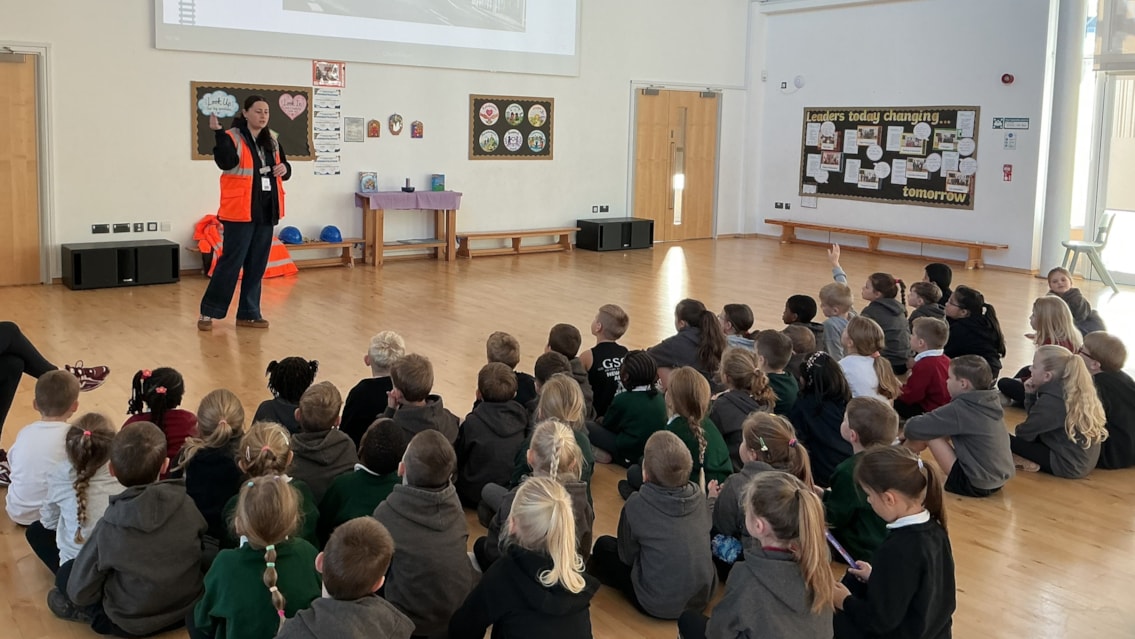
No Second Chances messaging has been integrated into Network Rail’s community safety activity, which included delivering railway safety sessions to children at schools in Newark in the past two weeks. The sessions cover trespass, railway security, the law and the dangers presented by the railway – including level crossing safety. Students are given the opportunity to try out virtual reality headsets, which help demonstrate the potentially serious consequences of railway trespassing in a memorable way for young people.
Further school visits took place in Hitchin and Biggleswade on Friday 20 November following a report of young children trespassing close to Hitchin Flyover.
Network Rail is also working with a secondary school in the Royston area after reports of young people placing themselves in danger on the railway to record videos. A series of safety sessions is planned in the new year, with the No Second Chances campaign helping Network Rail speak directly to young people about the risks and consequences of this type of behaviour.
Chelsea Eddowes, community safety manager for Network Rail’s East Coast route, said:
“Our work in schools gives us an important opportunity to speak directly to young people about the very real dangers they can face around the railway.
“Whether it’s being distracted by a phone or friends, trespassing or deliberately taking a risk at a level crossing, a decision made in a matter of seconds can have devastating consequences.
“By working alongside British Transport Police and schools, and using tools such as virtual reality alongside campaigns like No Second Chances, we want young people to understand those risks and make safe choices whenever they’re near the railway.”
BTP chief inspector Joe Gorman said:
“Level crossings are safe when used correctly, but they can become incredibly dangerous in an instant if people ignore warnings, take risks or become distracted. We continue to see incidents involving young people at crossings, whether distracted by mobile phone use, peer pressure or deliberate misuse, but what may seem like harmless behaviour can have devastating consequences.
“That’s why campaigns like this are so important, so that young people are educated about the dangers of the railway and they can make safer decisions. We urge young people to respect the railways and keep safe. If you witness unsafe behaviour on or near the railway, report it to British Transport Police by texting 61016.”
An earlier phase of the No Second Chances campaign targeting 16 to 34-year-olds saw a significant effect, resulting in a 69% reduction in near misses at targeted level crossings*. This new phase campaign aims to speak directly a younger age group.
Notes to Editors
*The East Coast route figures cover delay-causing route crime incidents recorded at or near level crossings, including fatalities, trespass, vandalism/obstruction and level-crossing incidents. The figures also identify incidents where children or young people were involved, including near misses. While this phase of the campaign is targeted specifically at 10 to 15-year-olds, the route data uses a broader “young people” measure because precise ages cannot always be established from incident reports.
** From 23 April to 3 September 2026 near misses reduced by 4.62% across the whole network, compared with 68.75% at campaign target locations.
Contact information
Passengers / community members
Network Rail national helpline
03457 11 41 41
Latest travel advice
Please visit National Rail Enquiries
Journalists
Gareth Dennison
Media relations manager, Eastern region
Network Rail
07561 874858
gareth.dennison@networkrail.co.uk
About Network Rail
We own, operate and develop Britain's railway infrastructure; that's 20,000 miles of track, 30,000 bridges, tunnels and viaducts and the thousands of signals, level crossings and stations. We run 20 of the UK's largest stations while all the others, over 2,500, are run by the country's train operating companies.
Usually, there are almost five million journeys made in the UK and over 600 freight trains run on the network. People depend on Britain's railway for their daily commute, to visit friends and loved ones and to get them home safe every day. Our role is to deliver a safe and reliable railway, so we carefully manage and deliver thousands of projects every year that form part of the multi-billion pound Railway Upgrade Plan, to grow and expand the nation's railway network to respond to the tremendous growth and demand the railway has experienced - a doubling of passenger journeys over the past 20 years.
Follow us on Twitter: @networkrail
Visit our online newsroom: www.networkrailmediacentre.co.uk